For a first trip to Tibet, the biggest worries are altitude sickness, weather, food and whether you’re fit to go. This guide answers the 10 most common questions so you can prepare well and set off with confidence on this once-in-a-lifetime Himalayan journey.
Altitude sickness — Acute Mountain Sickness (AMS) — is the body’s natural response when you ascend to high altitude quickly, before it has adapted to the thinner air and lower oxygen.
Common symptoms include:
AMS doesn’t mean you’re unfit, and not everyone gets it — the young, the old, even regular exercisers can feel mild symptoms. Most people adjust within 1–2 days of reaching Lhasa, so there’s no need to worry too much.
Many worry that hypertension, high blood sugar or high cholesterol rules out Tibet — but it isn’t absolute. If your condition is well controlled and you take your medication regularly, most people can still travel to Tibet.
Do consult your doctor beforehand to confirm you’re fit for high altitude. Consider postponing if you have:
Safety always comes before the itinerary.
Yes — most hotels have 24-hour hot water. Just avoid a long or very hot shower on your first night: too much heat dilates blood vessels and can leave some travellers feeling more breathless or tired.
Tips:
As long as you feel well, showering is no problem.
These habits meaningfully lower your chances of AMS:
Above all, don’t let excitement make you ignore how you feel — give your body time to acclimatise.
Not as cold as most people imagine. Tibet is very sunny, so daytime in the sun feels quite comfortable — the real chill is the day-to-night swing. Rough guide:
Dress in layers so you can add or remove clothing easily.
Absolutely! Tibet averages over 3,000m, where UV is far stronger than at sea level — you can burn even when it feels cool. Bring:
Reapply sunscreen every few hours to avoid sunburn and dry, cracked skin.
Generally no — you don’t need to bring your own. Reputable Tibet tours carry oxygen equipment for emergencies.
Also, don’t rely on oxygen from the very start. If you feel fine, it’s better to let your body acclimatise naturally; use oxygen only when clear AMS symptoms appear or your guide advises it.
Yes, it will. Tibet’s tourism is well developed, and most tours serve mainly Chinese food that Malaysian and Singaporean Chinese travellers find easy to enjoy. Typical dishes include:
Don’t miss local specialities too — butter tea, barley cakes, Tibetan noodles and yak meat — for both culture and flavour.
Yes. Tibet is a special travel zone: foreign travellers (including Malaysian and Singaporean passport holders) need not only a valid China visa but also a Tibet Travel Permit, and must travel with an organised tour — independent travel is not allowed.
The good news is that the permit is arranged by the travel agency. Once you book this tour, we handle it for you — you simply prepare your passport (6+ months validity recommended) and China visa.
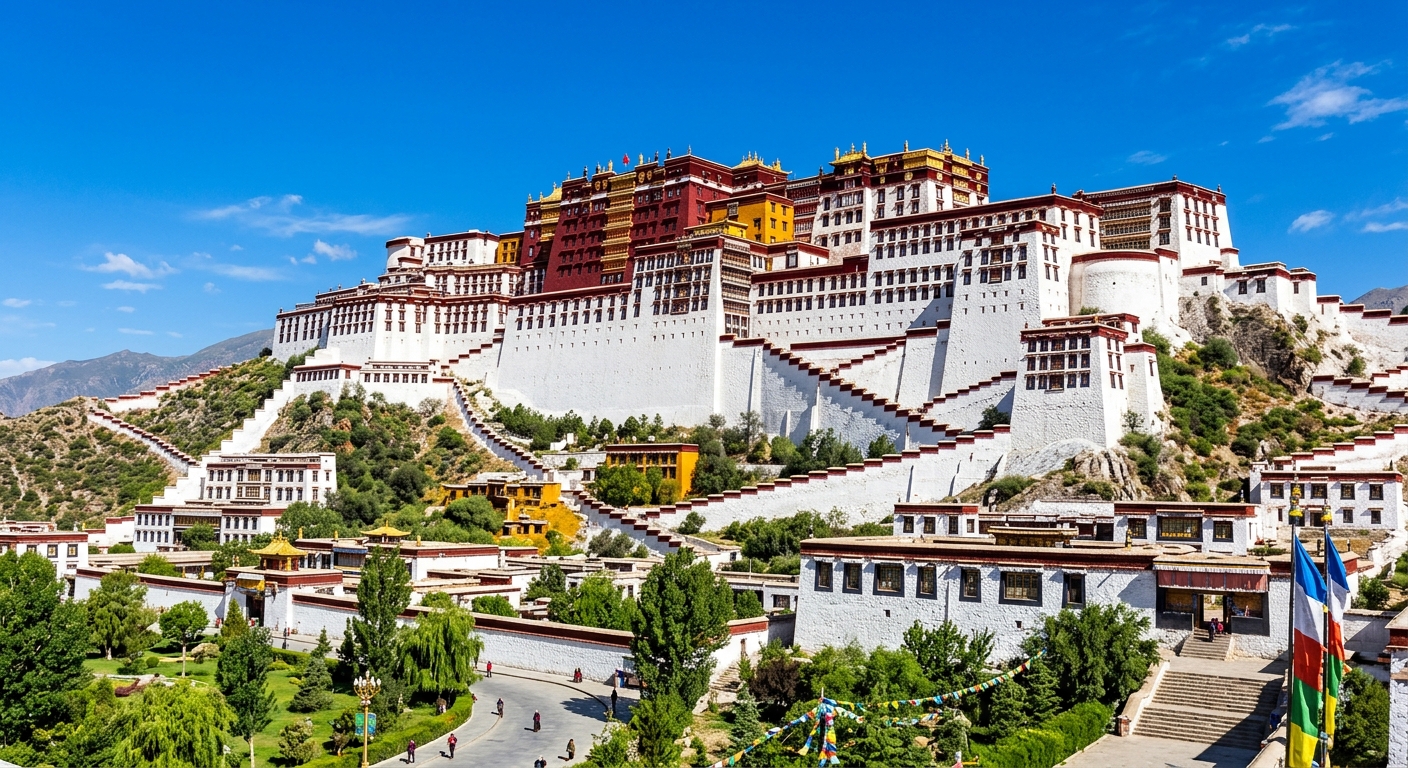
Because Tibet is more than a trip — it’s a soul-stirring experience. It offers world-class landscapes and deep Tibetan Buddhist culture, where you can see with your own eyes:
As many say, Tibet isn’t a place you visit again and again — it’s a place you keep missing after you’ve been. If you long for landscapes woven from blue skies, snow mountains, lakes and faith, Tibet is worth experiencing for yourself.
* Health and altitude information above is for general reference only and is not medical advice. Please consult a qualified doctor on your fitness for high altitude; confirm entry and permit rules with official sources and your travel agency.
Ready to Make Tibet Happen?
Beyond Travel plans an in-depth Tibet itinerary with sensible acclimatisation time, visiting the Potala Palace, Yamdrok Lake, Everest Base Camp and Jokhang Temple — with full oxygen support. Direct Singapore–Lhasa · from RM 6,388/pax.